
Does Artificial Grass Decrease Home Value? What Homeowners Need to Know

Updated: Mar 20
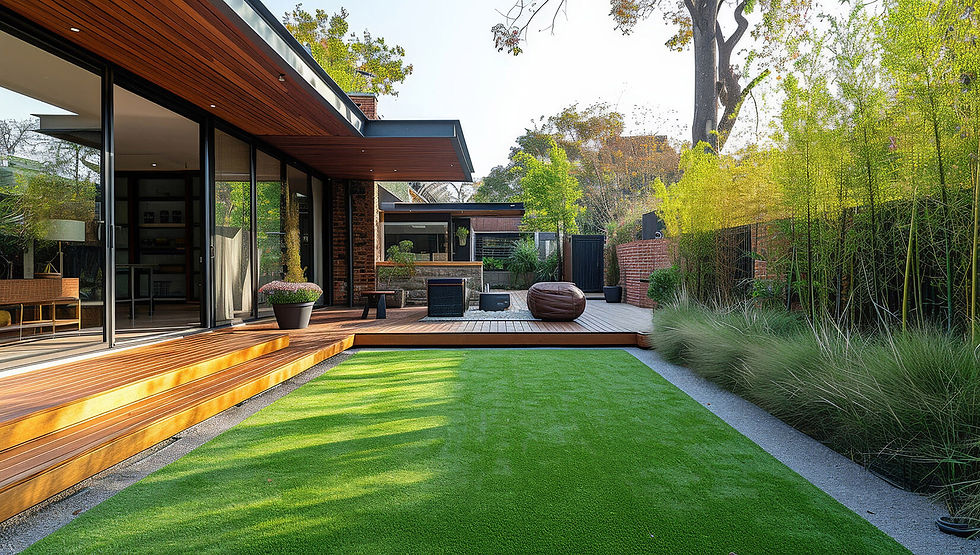
Artificial grass has become increasingly common in residential neighborhoods across Colorado, yet many homeowners still hesitate before installing it for one key reason: resale value. A common concern is whether replacing natural grass with artificial turf could turn buyers away or reduce a home’s overall value.
The truth is more nuanced than a simple yes or no. High-quality artificial grass does not decrease home value when it is installed professionally and integrated thoughtfully into the landscape. In many cases, it actually improves buyer appeal, shortens time on market, and makes a home more competitive, especially in regions where water conservation and low-maintenance living are priorities.
As an artificial turf company, we work with homeowners who want their outdoor spaces to function better now and make sense long-term. This guide breaks down how artificial grass affects home value, what buyers actually think, and when turf is a smart investment.
Why Artificial Grass Gets a Bad Reputation
Concerns about turf and resale usually stem from outdated perceptions. Early versions of artificial grass often looked shiny, stiff, and unnatural. Drainage was inconsistent, seams were visible, and the material didn’t blend well with residential landscapes. In those cases, turf could feel like a shortcut rather than an upgrade.
Modern artificial grass is completely different. Today’s products are designed to mimic real grass in both color and texture, drain efficiently, and hold up to regional climate conditions. When installed correctly, turf no longer looks like a compromise. It looks intentional.
Buyers who are familiar with modern landscaping trends tend to recognize this difference immediately.
How Buyer Preferences Have Changed
Homebuyers today are not just purchasing a house; they are buying a lifestyle. For many buyers in Colorado, that lifestyle includes outdoor spaces that are functional without being time-consuming.
Artificial grass aligns well with modern buyer priorities. Instead of seeing a lawn as something they’ll need to maintain, water, fertilize, and repair, many buyers see turf as a finished feature that removes future work. That shift in perception is especially common among busy professionals, families with young children, and pet owners.
Rather than asking, “Why isn’t this real grass?” buyers are increasingly asking, “How much maintenance does this save me?”
Artificial Grass and Market Appeal
While artificial turf may not always increase a home’s appraised value line by line, it often improves market value, which is ultimately what matters in a sale. Homes with clean, well-designed turf yards tend to photograph better, show better, and generate fewer objections during walk-throughs.
In competitive markets, these factors can make a meaningful difference. Buyers are more likely to picture themselves using the yard immediately, without budgeting time or money for lawn improvements. That sense of readiness often leads to stronger offers and quicker decisions.
This is particularly true in neighborhoods where water costs are high, irrigation restrictions are common, or natural grass struggles to thrive year-round.
Quality Matters More Than the Turf Itself
Whether artificial grass helps or hurts resale value depends almost entirely on how it is installed. Turf that looks realistic, drains properly, and fits naturally into the landscape is generally viewed as an asset. Turf that appears cheap, poorly planned, or out of place can raise concerns.
High-quality installations feel cohesive. The turf sits flush with surrounding hardscapes, edges are clean and intentional, and drainage prevents odors or pooling. When turf is paired with elements like patios, walkways, fencing, or xeriscaping, it reads as part of a complete outdoor design rather than a standalone replacement for grass.
This is why professional installation is so important. Artificial grass should enhance the yard, not draw attention to itself.
Artificial Grass Versus Natural Grass at Resale
Natural grass is often assumed to be the “safe” option, but in Colorado, it comes with its own challenges. Buyers are increasingly aware of water usage, seasonal browning, and the ongoing effort required to maintain a healthy lawn in a dry climate.
Artificial turf removes many of those concerns. Instead of seeing potential problems, buyers see predictability. The yard will look the same in July as it does in January. There are no dead patches to repair, no irrigation systems to monitor, and no chemicals to apply.
For many buyers, that reliability outweighs the appeal of traditional grass.
Where Artificial Grass Adds the Most Value
Artificial turf tends to be especially well-received in certain areas of a property. Front yards benefit from consistent curb appeal, while backyards become more usable when mud and uneven ground are eliminated. Smaller lots, townhomes, and modern homes often see the strongest positive response, as turf maximizes limited space and reduces maintenance.
Homes marketed toward pet owners also benefit significantly. A turf yard signals durability, cleanliness, and convenience, qualities many dog owners actively seek when house hunting.
When Turf Can Work Against You
Artificial grass is unlikely to hurt home value on its own, but poor execution can. Turf that is installed without proper grading, drainage, or edging can develop odors, wrinkles, or visible seams. Bright, unrealistic turf colors or poorly chosen textures can clash with the home’s architecture and surrounding neighborhood.
In those cases, the issue isn’t artificial grass. It’s the lack of planning and quality. Just like a poorly remodeled kitchen can reduce appeal, a poorly installed turf yard can raise red flags.
The solution is not avoiding turf altogether, but ensuring it’s done right.
Appraised Value vs. Buyer Perception
It’s also important to distinguish between appraised value and buyer perception. Appraisers may not always assign a specific dollar value to artificial grass, but buyers often factor it into their overall impression of the property.
A home that feels move-in ready, thoughtfully designed, and low-maintenance often commands more interest, even if those qualities aren’t itemized in an appraisal report. In practice, that interest can translate into higher offers or fewer concessions.
Long-Term Value for Homeowners
Even before resale enters the picture, artificial grass provides ongoing value to homeowners. Lower water bills, fewer maintenance costs, and more usable outdoor space all contribute to day-to-day enjoyment of the home.
When the time comes to sell, those benefits don’t disappear. The turf continues to perform, helping the property stand out in listings and showings.
Considering Artificial Grass for Your Home?
No, artificial grass does not decrease home value when it is installed professionally and designed with the property in mind. In many cases, it increases buyer appeal, reduces maintenance concerns, and helps homes sell faster.
As with any home improvement, quality matters. Thoughtful design, proper installation, and realistic materials are what turn artificial turf into an asset rather than a risk.
At Indy Artificial Turf & Landscaping, we install high-quality artificial grass systems that enhance both everyday living and long-term property value. Our team designs turf as part of a complete landscape solution, integrating it with hardscaping, fencing, and xeriscape elements for a finished, intentional look. Contact us today.


